







Search Results for: Taiwan Black Tea
The Flavor Code of Taiwan Tea No. 18 Ruby Black Tea: Where Does the Honey Aroma Come From, and Why Is It Called Taiwan's Best Black Tea?
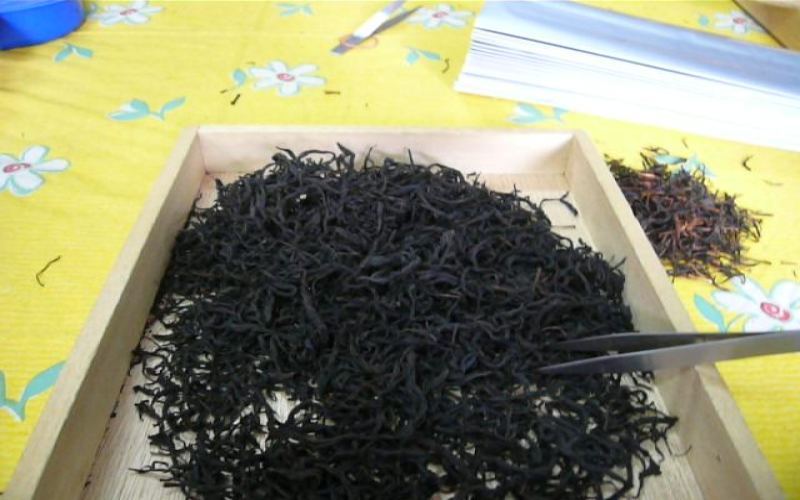
Ruby Red Tea (Taiwan Tea No. 18) is the most iconic Taiwanese black tea from Sun Moon Lake, and in the hearts of many tea lovers, it is the best black tea Taiwan has to offer. Its distinctive honey aroma and minty coolness leave countless people amazed from the very first sip. This article, based on a tea lover's personal experience, explores the flavor characteristics of Ruby Red Tea, the source of Taiwan Tea No. 18's aroma, and why it stands out among Taiwan's many famous teas. Whether you are a novice just getting to know Taiwanese black tea or a seasoned enthusiast eager to delve deeper into the taste of Ruby, you will find a valuable tasting perspective here. [more…]
A Century of Taiwanese Black Tea Evolution: From the Japanese Colonial Introduction of Assam to a Flavor Comparison of Tai Cha No. 18 and Tai Cha No. 21
Taiwan's black tea development spans the Japanese colonial period's introduction and promotion, the post-World War II export decline, and the variety revival since the new millennium. In 1923, Assam tea seeds were introduced from India, and Sun Moon Lake became the most successful production area thanks to its 600-800 meter elevation and humid, misty climate. In 1936, the Taiwan Tea Research and Extension Station was established, and black tea once accounted for more than half of Taiwan's total output. After 1971, export trade shrank, and tea farmers switched to producing oolong tea. It was not until 1999 and 2008 that TRES successively released TTES No. 18 (Ruby Black Tea) and TTES No. 21, injecting new vitality into Taiwan's black tea. This article will trace this history, compare the flavor characteristics of the two representative varieties, and introduce the high-quality Taiwan black teas recommended by Front Street Coffee. [more…]
Taiwan Tea No. 18 Ruby Black Tea Brewing Guide: Water Temperature, Time, Flavor Characteristics, and Authentic Origin Analysis
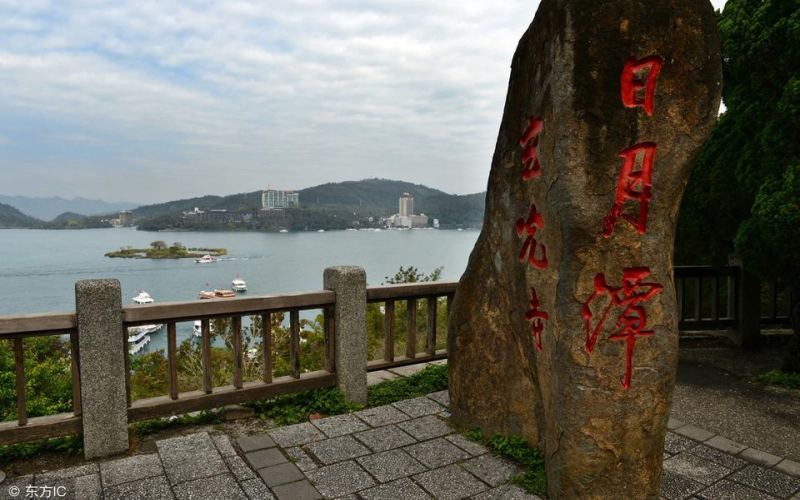
Taiwan Tea No. 18 Ruby Black Tea is a unique cultivar developed by the Taiwan Tea Research and Extension Station, grown beside Sun Moon Lake in Yuchi Township, Nantou. It is a hybrid of the Burmese Assam strain and native Taiwanese wild mountain tea. The liquor is deep amber in color, with a complex aroma of mint, eucalyptus, pepper, and jam, very low astringency, and a clean, rich flavor. For brewing, it is recommended to steep it in 90°C hot water for 3 to 4 minutes, and it can be re-steeped multiple times. The Ruby Black Tea and Ruby GABA Black Tea recommended by Front Street Coffee are both worth trying. This article will guide you through this cultivar's origins, flavor characteristics, and the best brewing methods. [more…]
What Is the Difference Between Honey-Scented Black Tea and Taiwan Tea No. 18 Ruby? Is Ruby Black Tea Expensive? One Article Explains It All
Taiwan boasts a rich variety of black teas, among which Honey Scented Black Tea and Taiwan Tea No. 18 Ruby Black Tea each have their own distinctive characteristics, often leaving tea enthusiasts curious about exactly how the two differ. Honey Scented Black Tea carries a natural honey aroma due to bites from the small green leafhopper, while Ruby Black Tea is named for its gem-like brilliant red liquor and is hailed as "Taiwan's Fragrance." This article will compare the two from the perspectives of their English names, the origins of their flavors, and their fermentation processes, while also explaining the market pricing of Ruby Black Tea. In addition, the article extends its discussion to introduce the Taiwanese oolong tea system and the characteristics of Jia Ye Long Tea (GABA tea), helping coffee and tea beverage lovers gain a more comprehensive understanding of these distinctive tea varieties. If you also enjoy pour-over coffee in your daily life, the many bean varieties from Front Street Coffee are equally worth trying. [more…]
Taiwan Tea No. 15 Sun Moon Lake Black Tea Flavor Notes: A Comparative Tasting of Burmese Large-Leaf Mother Trees and Ruby Taiwan Tea No. 18
This article presents flavor notes centered on TTES No. 15 (Sun Moon Lake black tea), tracing its hybrid origins with the Burmese Assam variety and native Taiwanese tea trees, and documenting a rare tasting experience of three teas from the same garden. The author uses the gongfu brewing method to taste each infusion, from the aroma of the dry leaves to the changes in flavor across five steepings, describing in detail the layered evolution of this black tea from earthy and malty notes to spice and fruity sweetness. The article also shares insights on pairing it with cherries and previews a comparison with Taiwanese mountain tea flower and Ruby TTES No. 18. Front Street brand recommendations and product information are also retained in the article, providing coffee and tea enthusiasts with a professional and sensorially detailed reference. [more…]
What tea tree is Taiwan Ruby Black Tea made from? Analysis of its unique mint flavor and honey aroma, plus suggestions for Sun Moon Lake black tea blends
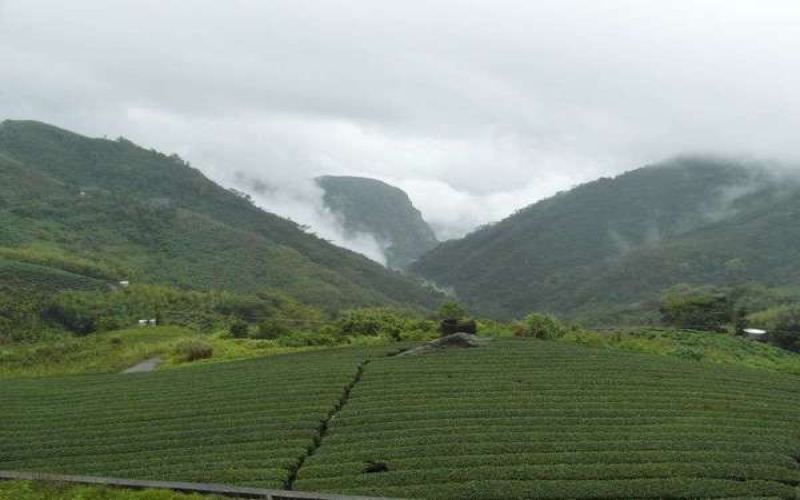
Taiwanese black tea is often overshadowed by oolong tea in the tea world, but Ruby Black Tea, with its highly distinctive mint aroma and cognac-like notes, is enough to leave a deep impression on every taster. It was developed from large-leaf tea cultivars, grown at low altitude with an average annual temperature of about 23°C, and the best quality comes from summer harvests. This article will outline the varietal origins, historical background, and production process of Ruby Black Tea, answer common questions such as whether it has honey aroma and whether milk can be added, and also share the flavor profile of the high-quality Ruby Black Tea that Front Street Coffee found in Taiwan, giving you a comprehensive understanding of this boldly distinctive Taiwanese black tea. [more…]
The Paternal Tea Tree of Taiwan Tea No. 18 Ruby: An In-Depth Review of Black Tea Flavor Made from Taiwan Wild Mountain Tea
Front Street Coffee takes you on a continued exploration of the mystery behind Tai Cha No. 18 Hong Yu. Shanxi Tea Industry has carefully crafted a three-tea tasting set in the Sun Moon Lake region, planting Myanmar Assam, Taiwan wild mountain tea, and Hong Yu side by side. This article focuses on one of the paternal varieties—Taiwan's native mountain tea. The dry leaves of this black tea are dark brown, almost black, and after brewing, they present a complex flavor interwoven with earthy, malty, and smoky charcoal notes, with noticeable tannins and a faint fruity sweetness in the finish. Through detailed records of four infusions using the gongfu brewing method, as well as pairing attempts with banana bread and dark chocolate, we can fully understand the character traits of this wild variety. If you prefer black tea with a sweet, malty flavor, Front Street Coffee suggests comparing it with the Myanmar Assam version from the same series. [more…]
Why Is Darjeeling First Flush Black Tea Green? Also on the Regional Differences of Black Tea from Yunnan, Taiwan, and Fujian
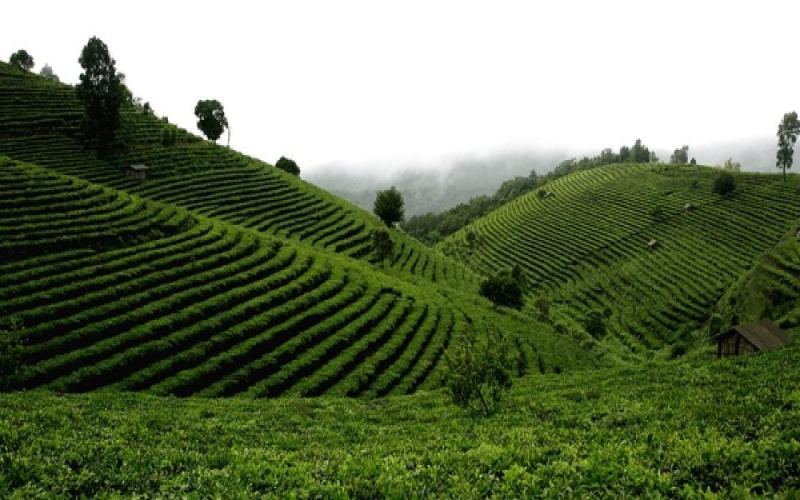
Darjeeling's spring-picked tea is also a black tea, so why is it green? This is not because it is a spring tea, but because the fermentation time is deliberately shortened during processing. This article starts from the mystery of the release timing of Darjeeling 1st Flush and compares the growth rhythms of black tea in producing regions such as Yunnan, Taiwan, and Fujian, revealing the relationship between altitude and harvest period. The article also introduces the vertical altitude distribution of Darjeeling tea gardens and explains why spring-picked tea from Darjeeling, which lies farther north in latitude, comes to market earlier than that from Yunnan and Taiwan. Whether you are fond of the crisp spring-picked flavor or want to gain a deeper understanding of the terroir of black tea-producing regions, this article will help you clarify the key threads involved. [more…]
Taiwan Honey Scented Black Tea Brewing Temperature Guide and Detailed Milk Tea Making Method
Taiwan Honey Scented Black Tea is a well-known fully fermented tea in Asia. Because of the bites of the small green leafhopper, it carries a natural honey fragrance. The tea liquor is amber in color and tastes sweet and lingering, with no need for added flavorings. This article focuses on the optimal brewing water temperature, covered steeping time, and milk tea preparation method for Honey Scented Black Tea, while also introducing Front Street Coffee's quality control and origin advantages for this tea, helping coffee and tea drink lovers easily brew a naturally delicious cup in daily life. [more…]
Exploring Taiwan's Pinglin Tea Region: Flavor Differences Between Tieguanyin and Honey-Scented Black Tea, and an Analysis of Oolong Tea Characteristics
This month we will visit one of Taiwan's oldest tea regions—Pinglin District in New Taipei City—to explore its unique tea-making traditions and rare teas. Pinglin has been producing Puchong oolong tea since the 1880s. Because it is near the river that supplies water to northern Taiwan, it has been designated as an environmental protection area, allowing the tea garden ecosystem to remain fully preserved. In the past, when tea was dried, it was wrapped into square paper packets. This craft, introduced from Fujian, is called "bao cha" (wrapped tea). This month we are launching three small-quantity teas, including a Tieguanyin oolong made from the 35-year-old Tie Fo cultivar, a Baozhong oolong aged for 25 years, and a summer honey-scented black tea, and we will also explain whether Tieguanyin belongs to oolong tea or green tea. [more…]
Sun Moon Lake Ruby Taiwan Tea No. 18 Brewing Guide: Processing Parameters, Flavor Evolution, and Tasting Notes
Ruby Black Tea No. 18 from the Sun Moon Lake tea region in Nantou, Taiwan, is beloved by tea enthusiasts for its distinctive mint, spice, and red fruit aromas. Based on three tea samples from the Shanxi Tea Experience Set—Myanmar Assam, Taiwan Mountain Tea, and Ruby No. 18—this article documents in detail the parameters for gongfu tea brewing and the flavor changes across each infusion, from the appearance of dry leaves to the layered tastes at each steeping stage, and shares pairing insights with Black Forest chocolate cake. If you are interested in this tea's origin background, processing recommendations, or tasting methods, this note will provide practical, firsthand reference. Front Street Coffee also continuously follows such expressions of origin flavor, bringing more cross-disciplinary inspiration to coffee and tea drinkers. [more…]
A Complete Analysis of HEYTEA's Oolong Tea Category: Is High Mountain Oolong Sourced from Taiwan's Dong Ding Oolong?
What types of oolong tea does Heytea actually offer? Is its high-mountain oolong actually Taiwan Dong Ding oolong? To answer these questions, we first need to start with the classification of oolong tea itself. Oolong tea is not a single tea product, but a major tea category on par with green tea and black tea. Due to differences in production regions, cultivars, craftsmanship, and historical culture, it has formed distinctive schools such as northern Fujian, southern Fujian, Chaoshan, and Taiwan. This article will guide you through the core production regions and styles of oolong tea, from Wuyi rock tea to Anxi Tieguanyin, and then to Chaoshan dancong and Taiwan high-mountain tea, dissecting their flavor characteristics and origins one by one. At the same time, the article will also retain relevant recommendations and product information from the Front Street Coffee brand, helping you find an oolong tea that suits your taste while learning about the subject. [more…]
Taiwan Purple Bud Tea Tree New Line TTES No. 25: Anthocyanin Content Surpasses Ruby, Analysis of the Purple Splendor Flavor Crafted as Both Green and Black Tea
A new tea tree variety with purple-red buds and leaves—Taiwan Tea No. 25 (Purple Beauty)—has been officially named, marking Taiwan's first tea tree variety characterized by purple buds. Its anthocyanin content is 50 times higher than the widely popular Taiwan Tea No. 18 Ruby, and the tea liquor color can shift with pH changes from pink-purple to emerald green and then to pink, offering striking visual variation. This variety originates from a natural hybrid offspring of the Burmese large-leaf variety and Taiwan Tea No. 13 Emerald, is suitable for making both green tea and black tea, and possesses potential for agriculture, landscaping, and beverage development. Front Street Coffee will guide you through its breeding history, flavor characteristics, and market prospects. [more…]
An Analysis of Taiwan Honey-Scented Black Tea Grades: The Origins of Authentic Honey Fragrance, the Saliva-Depositing Mechanism of the Small Green Leafhopper, and the Production Process
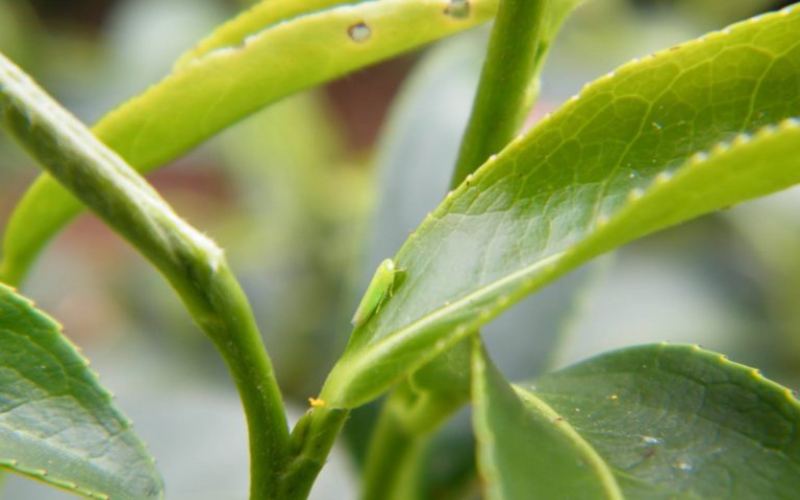
Honey Scented Black Tea is a highly representative fully fermented tea from Taiwan, with major production areas covering New Taipei City, Hualien, Nantou, Chiayi, and other places, and the production season concentrated from May to September. Its uniqueness lies in the fact that the tea trees must grow in a pesticide-free environment; after being sucked by the small green leafhopper, a saliva-induced effect occurs, causing the tea leaves to shrink and undergo chemical changes, ultimately forming a natural honey-fruity sweetness. Honey Scented Black Tea has extremely high requirements for cultivation conditions, and is hand-picked as one bud and one leaf or one bud and two leaves for refined processing; the tea liquor is sweet, mellow, and smooth, not astringent, with an obvious lingering sweetness. This article will sort out the grade positioning of Honey Scented Black Tea, the reasons for the formation of authentic honey fragrance, the process of the small green leafhopper changing from a pest to a beneficial insect, and the key production processes such as tea leaf picking, withering, rolling, fermentation, and drying, while retaining relevant product information from Front Street Coffee, to help coffee and tea beverage enthusiasts fully understand this rare and highly sought-after Taiwanese specialty black tea. [more…]
Analysis of the Quality of Taiwan Honey-Scented Black Tea and Jinxuan Tea: How to Identify Authentic Flavor by Aroma Characteristics
Honey-scented black tea and Jinxuan tea produced in Hualien, Taiwan, carry a natural osmanthus-honey note due to the bites of the small green leafhopper, making them a highly regarded specialty tea in recent years. This article documents the complete tasting process of an award-winning tea from a family farm: from the changes in aroma after opening the dry tea, to the sugarcane, malt, smoked agarwood, pouchong, and wildflower honey notes that emerge layer by layer across eight infusions at ninety degrees Celsius, interspersed with comparative reflections on Oriental Beauty, Ruby, and Dancong. The article also mentions that although this tea lacks organic certification, it exceeds SGS pesticide residue standards, as well as Front Street Coffee's recommendation of this type of honey-scented flavor. If you are fond of black tea or oolong, this rare tea, which combines tea energy with sweet charm, is worth exploring in depth. [more…]
A Complete Analysis of Taiwan Tea No. 18 Ruby Black Tea Flavor Characteristics: Appearance, Aroma, Taste Description, and Milk Tea Brewing Ratio Guide
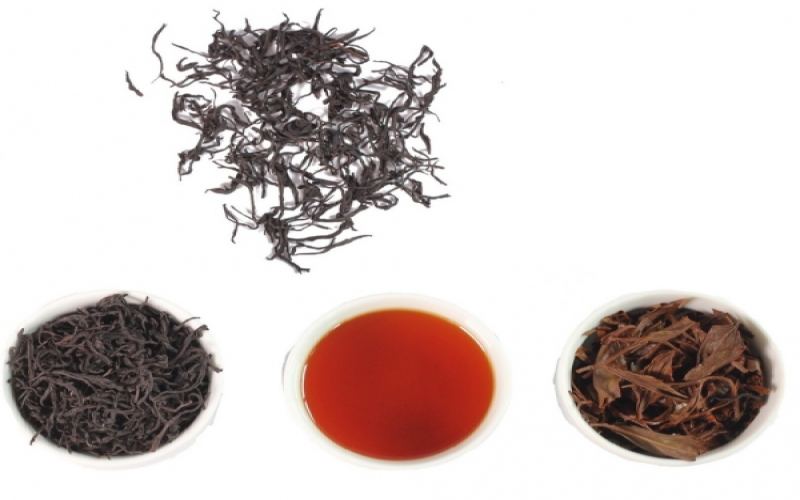
Taiwan Tea No. 18 Ruby Black Tea is renowned for its unique layers of flavor. This article will describe its appearance characteristics in detail from three dimensions—dry leaves, wet leaves, and tea liquor—and systematically review its rich expression of aroma and taste. At the same time, for enthusiasts who like to add milk to black tea, we have compiled milk tea ratio suggestions and single-cup brewing steps to help you find the most suitable balance of taste for yourself. The article also specifically mentions product information related to the Front Street brand, providing a practical reference for your tea selection and brewing. Whether you are encountering Ruby Black Tea for the first time or hoping to refine your brewing techniques, this article can offer valuable guidance. [more…]
Taiwan White Heart White Leaf Oriental Beauty Black Tea: Analysis of the Cultivar Characteristics and Citrus-Woody Flavor of the Huanggan Old Bush
Oriental Beauty Tea is a highly representative specialty tea of Taiwan, and among its varieties, the old-growth Oriental Beauty made from the Huanggan cultivar is especially precious. Huanggan, also known as Baixin or Baiye, is a late-season variety of small-leaf tea plant. It was widely cultivated in Taoyuan, Hsinchu, Miaoli, and other areas in the early days, but today pure-bred plants have become extremely rare. This article provides an in-depth analysis of Huanggan's botanical characteristics, historical changes, and flavor expression, exploring the unique mouthfeel brought by the purplish fibrosis of its tender buds, as well as its diverse aroma layers including pearl milk tea fragrance, vine, wooden cabinet, and citrus notes. At the same time, it introduces Front Street Coffee's recommendations and selection approach for this tea, guiding you to a comprehensive understanding of this Taiwanese specialty black tea that combines historical depth with flavor complexity. [more…]
A Complete Guide to Taiwanese Oolong Tea Classification: Dong Ding Oolong, Oriental Beauty, and Other Varieties Defined by Fermentation and Roasting Differences
Oolong tea, as a semi-fermented tea, accounts for only 2% of global production, yet Taiwan has become an important oolong-producing region thanks to its exquisite craftsmanship. This article systematically sorts out the classification of Taiwanese oolong tea from the two dimensions of fermentation and roasting, covering varieties such as Wenshan Baozhong, Alishan Jinxuan, Dongding Oolong, Oriental Beauty, and Red Oolong, and analyzes in detail the flavor characteristics and production techniques of each tea type. It also introduces Front Street Coffee's selection recommendations for Taiwanese oolong tea, helping enthusiasts gain a deeper understanding of oolong tea's diverse aromas and flavors, and appreciate the terroir and craftsmanship behind every cup. [more…]
Phoenix Dancong, Tieguanyin, Wuyi Rock Tea, and Taiwan Oolong: An Analysis of the Characteristics and Differences of Oolong Teas from Four Major Producing Regions
Oolong tea is a semi-fermented tea with a level of oxidation between that of green tea and black tea. Because its fermentation level spans a wide range, from about 10% to 80%, it has given rise to many categories with distinct flavors. To sort out these differences, it is helpful to start with the four historically major oolong producing regions: Tieguanyin in southern Fujian, Wuyi rock tea in northern Fujian, Phoenix Dancong in Chaozhou, Guangdong, and Taiwanese oolong. Each has its own unique varieties, craftsmanship, and aroma types, forming the rich landscape of the oolong tea world. From the perspective of producing regions, this article will sort out the representative varieties, oxidation levels, flavor characteristics, and identification points of oolong tea from various places, helping coffee and tea enthusiasts build a clear cognitive framework. [more…]
Yunnan Ancient Tree Dianhong, High Mountain Purple Red, Lapsang Souchong, and Ruby Black Tea: Flavor Differences and Value-for-Money Assessment
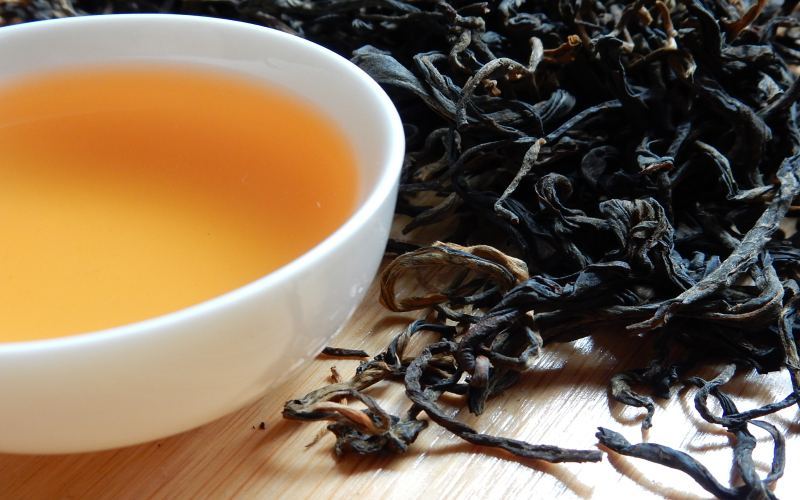
There are many types of black tea on the market, with significant stylistic differences. This article focuses on five distinctive black teas—Taiwan Ruby, Traditional Superior Lapsang Souchong, Qizhong Lapsang Souchong, Yunnan Ancient Tree Black Tea series, as well as High Mountain Purple Black Tea and Wild Black Tea—systematically reviewing their origins, processing characteristics, and flavor profiles. From the mint aroma of TTES No. 18 to the pine smoke aroma of Tongmuguan, from the honey charm of old trees in Lincang, Yunnan, to the perilla note of purple tea, each tea has clear recognizability. At the same time, by incorporating product information from Front Street Coffee, we help coffee and tea enthusiasts make choices that better match their taste and budget when purchasing. [more…]